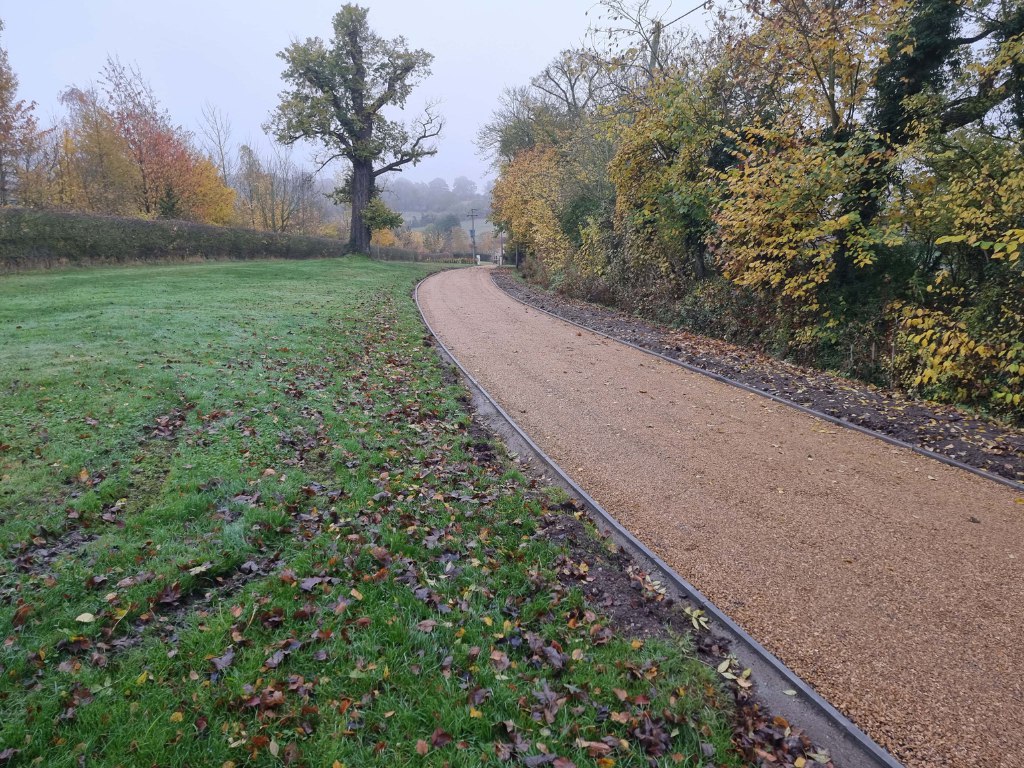
Farm Road Tarmac: Benefits of Durable Surfacing for Agricultural Access Roads
Agricultural access roads need to cope with regular vehicle movements, changing weather conditions and the demands of working farmland. A poorly surfaced route can become muddy, uneven and difficult to use, particularly when heavy agricultural machinery needs reliable access.
Farm road tarmac provides a practical surfacing option where a strong, well-constructed access route is required. For farms and agricultural properties in Kempston, Bedfordshire, the right preparation and installation can create a more dependable surface for everyday use.
What Makes Tarmac Suitable for Farm Access Roads?
Tarmac is widely used for roads and access routes because it can provide a smooth, durable surface when properly designed and installed. For agricultural applications, the strength of the finished surface depends not only on the tarmac itself but also on the preparation of the ground and the supporting layers beneath it.
A farm access road must be designed around its intended use. Regular movements by tractors, trailers, delivery vehicles and other equipment can place considerable pressure on the surface. Proper construction helps the road cope with these demands while maintaining a usable finish.
Improved Access in Wet Conditions
Mud and standing water can make unmade agricultural tracks difficult to navigate. This can affect access to fields, buildings, storage areas and other parts of a working farm.
A properly constructed tarmac surface provides a more stable route during wet weather. Effective drainage and suitable ground preparation are particularly important because water that remains beneath or around the surface can contribute to deterioration.
For agricultural properties in Kempston, considering drainage as part of the surfacing work can help create a more reliable access route throughout the year.
Better Resistance to Regular Vehicle Use
Farm roads can experience repeated traffic from vehicles of different sizes and weights. Tarmac can provide a robust surface capable of handling regular use when the road has been correctly designed for the expected loading.
The construction beneath the finished surface is particularly important. A suitable sub-base helps distribute vehicle loads and provides the foundation needed for long-term performance.
This makes proper preparation just as important as the visible tarmac finish.
Easier Movement Around Agricultural Properties
A well-surfaced farm road can make it easier for vehicles to move between different areas of a property. This may include access to agricultural buildings, yards, fields, storage facilities and loading areas.
A smoother and more stable route can also reduce the difficulties associated with uneven ground, deep ruts and muddy sections. This is particularly useful where access is required regularly as part of normal agricultural activities.
Reduced Problems with Mud and Ruts
Unsurfaced farm tracks can develop ruts as vehicle wheels repeatedly follow the same routes. During wet conditions, these depressions can hold water and become increasingly difficult to navigate.
Tarmac provides a continuous finished surface that does not develop the same type of wheel ruts as an unmade track. However, the longevity of the surface still depends on suitable drainage, adequate foundations and appropriate construction methods.
Addressing the underlying ground conditions is therefore essential when planning a new agricultural access road.
Why Drainage and Ground Preparation Matter
A durable farm road starts below the surface. Before tarmac is installed, the existing ground needs to be assessed and prepared appropriately for the conditions and expected use.
Drainage should also be considered carefully. Water needs to be directed away from the road rather than allowed to collect around its edges or beneath the surface.
Poor preparation can lead to cracking, settlement, potholes and other defects regardless of the quality of the surface material. A properly constructed foundation helps provide the stability needed for agricultural traffic.
When Should a Farm Road Be Resurfaced?
Existing agricultural access roads can show several signs that resurfacing or repair may be appropriate. These include persistent potholes, cracking, uneven areas, standing water, loose surfaces and significant deterioration.
The correct solution depends on the condition of the existing road. In some cases, local repairs may address isolated defects, while more extensive deterioration may require reconstruction of the affected sections.
A professional assessment can help determine what work is actually needed rather than simply treating visible surface problems.
Farm Road Tarmac in Kempston, Bedfordshire
For agricultural properties in Kempston, Bedfordshire, a properly planned tarmac access road can provide a durable and practical route for regular farm traffic. Kempston Driveways & Patios can assess the existing ground conditions, drainage requirements and intended use before recommending suitable surfacing work.
If you are considering a new farm access road or need to improve an existing agricultural route, contact Kempston Driveways & Patios to discuss your requirements and arrange an assessment.
Conclusion
Farm access roads need to withstand regular traffic while remaining practical in changing weather conditions. Tarmac can provide a stable and durable surface when supported by suitable ground preparation, drainage and construction.
For agricultural properties in Kempston, Bedfordshire, choosing the right approach to farm road surfacing can help improve access and reduce problems associated with mud, rutting and uneven ground. Professional planning and installation are key to achieving a road that is suitable for its intended agricultural use.
Call us on: 01234 675 786
Click here to find out more about Kempston Driveways & Patios
Click here to complete our contact form and see how we can help with your driveway needs.